
Why More Clothes Don't Always Mean More Style
A full wardrobe and nothing to wear is not a contradiction. It is a symptom. Here is what it usually means, and what to do instead of shopping.
Kimbi Rosa · 2 September 2026 · 6 min read
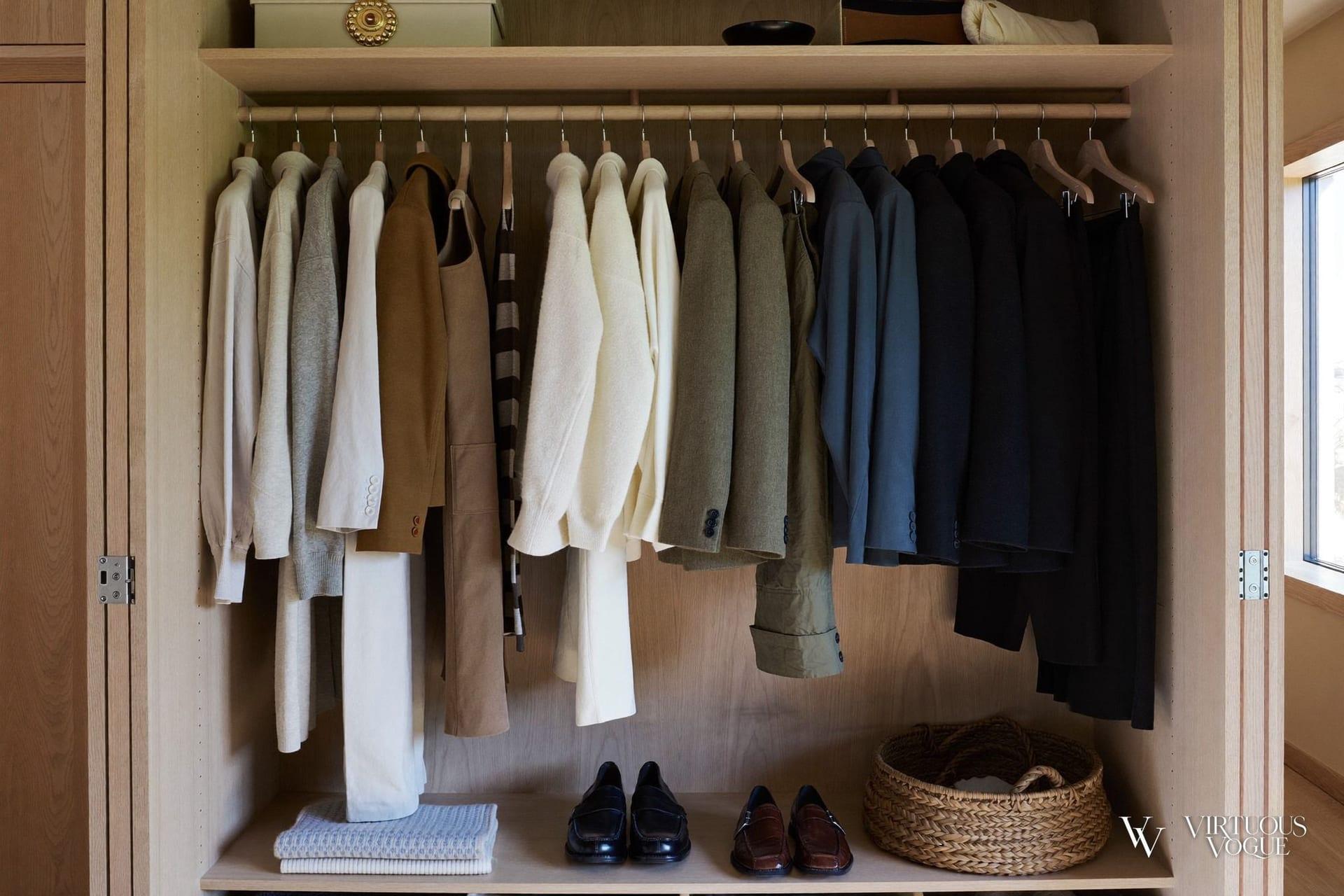
The first thing I do in a wardrobe edit is count. Not to shame anyone; the number is usually between eighty and two hundred pieces, and almost nobody is wearing more than thirty of them. The rest sit there, taking up visual space, making the thirty harder to find.
More clothes don't give you more style for a simple reason: style is a relationship between pieces, not a count of them. Ten garments that speak to each other produce more outfits than fifty that don't. The maths is on your side if the pieces are.
The three kinds of pieces that fill a wardrobe without dressing you
- The occasion that never came. Bought for a wedding, a holiday, a version of your life that didn't happen yet.
- The almost. Right colour, wrong fabric. Right shape, half a size off. You keep it because it was nearly perfect.
- The someone else. It looked wonderful on a woman you admire. It was never going to be yours.
You give what you wear relevance. What you wear does not give you relevance.
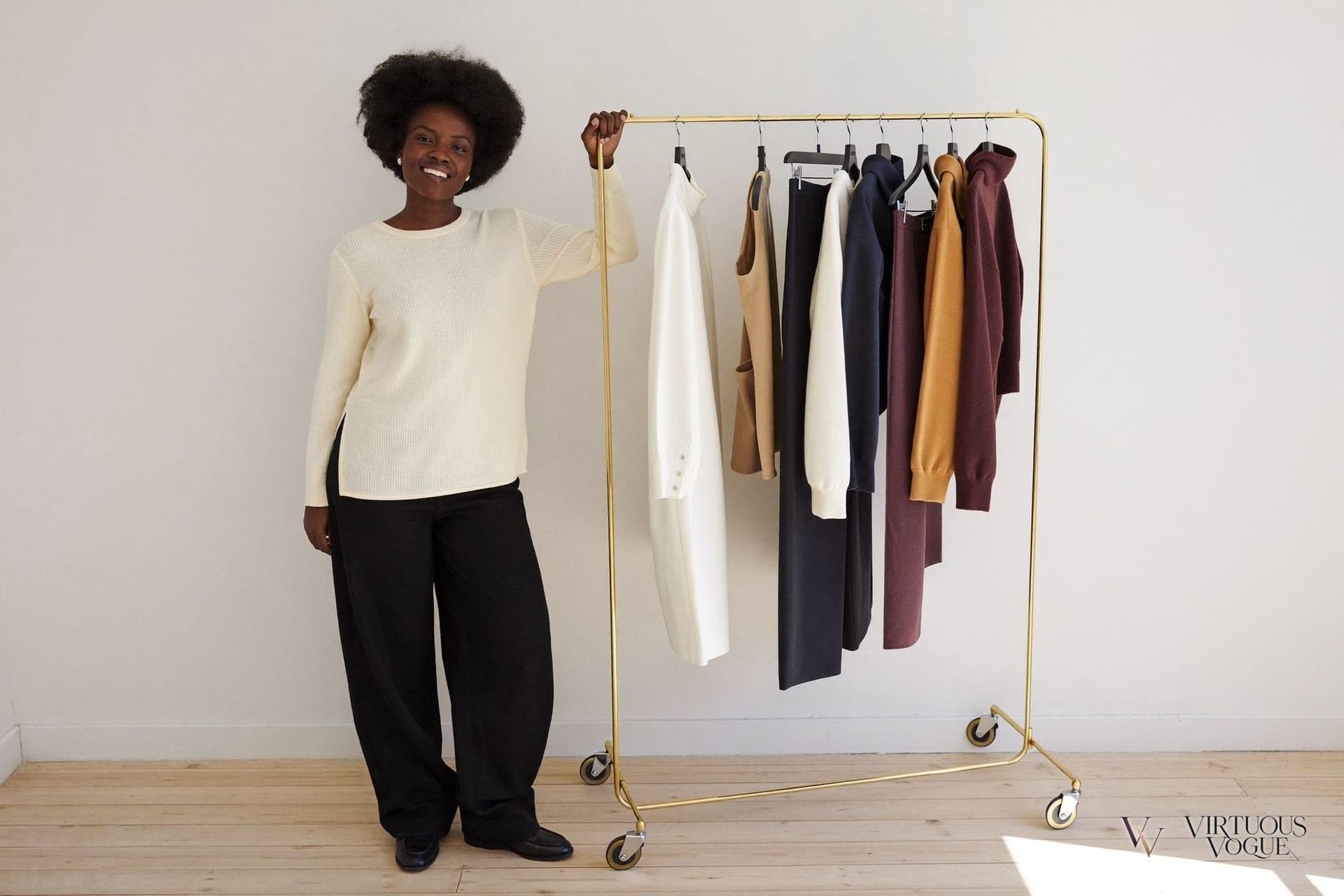
So before you buy anything, try this. Put the thirty pieces you actually wear on one rail, and leave everything else where it is. Live from that rail for two weeks. Notice what you miss. That short list, and only that, is your shopping list.
Most women discover that the thing they miss is not a garment at all. It is a combination they hadn't tried, or a tailor's twenty-minute alteration. That is good news. It means your style was already in the room.